 11
11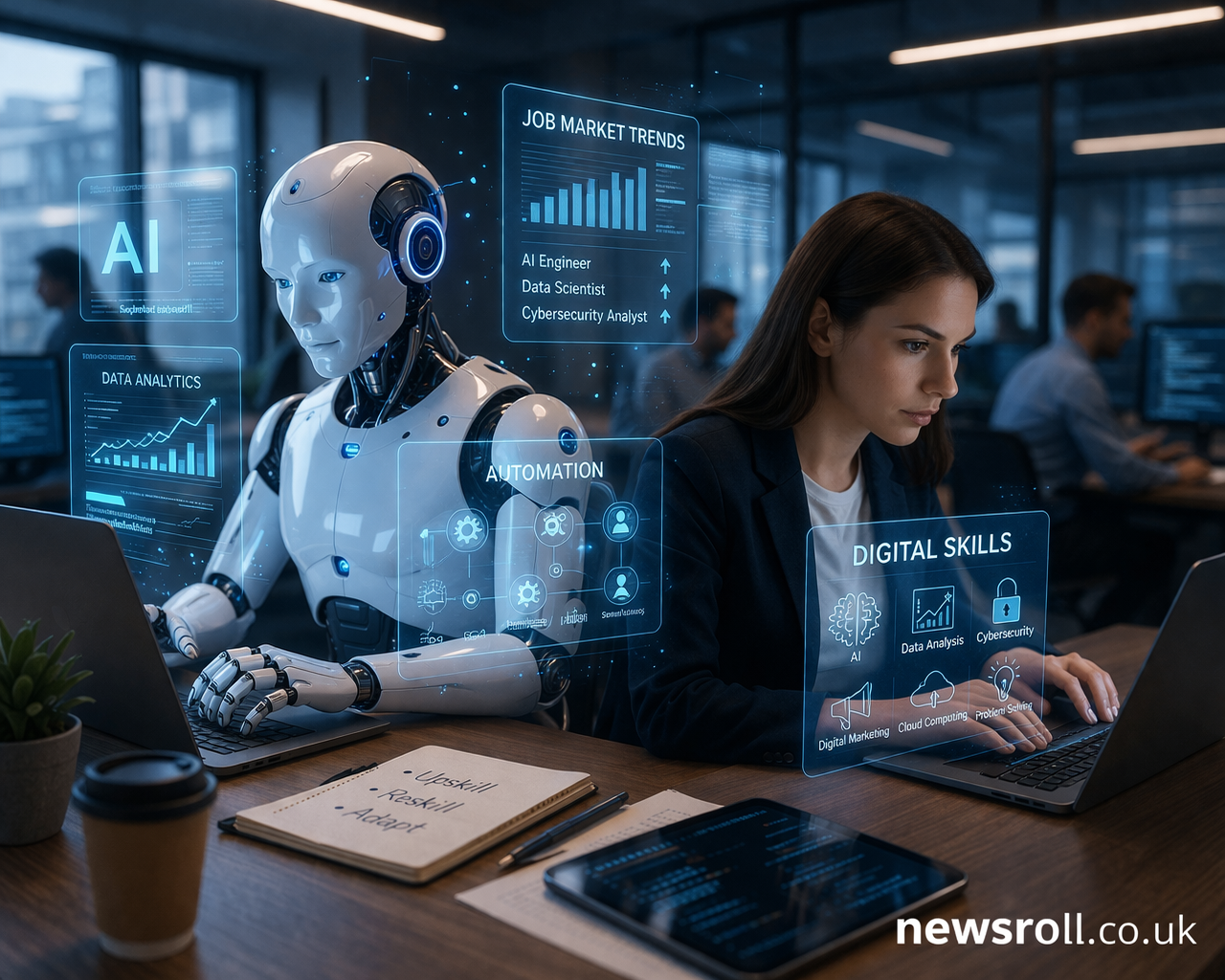
Artificial intelligence is no longer a future concept — it is already transforming the global workforce in 2026. From automation tools to advanced machine learning systems, AI is changing how companies operate and how employees interact with technology.
Many businesses are now integrating AI into their daily processes to improve efficiency and reduce operational costs. Tasks that once required human input, such as customer support, data analysis, and content generation, can now be handled by intelligent systems in a matter of seconds.
However, this shift also raises concerns about job displacement. Certain roles, particularly repetitive or administrative positions, are becoming less necessary. At the same time, entirely new career paths are emerging in areas like AI development, data science, and cybersecurity.
Experts emphasize that adaptability is key in this evolving landscape. Workers are encouraged to focus on developing digital skills, critical thinking, and creativity — qualities that are harder to replace with automation.
Overall, AI is not just eliminating jobs; it is redefining them. Those who embrace the change are more likely to benefit from the opportunities created by this technological revolution.