 11
11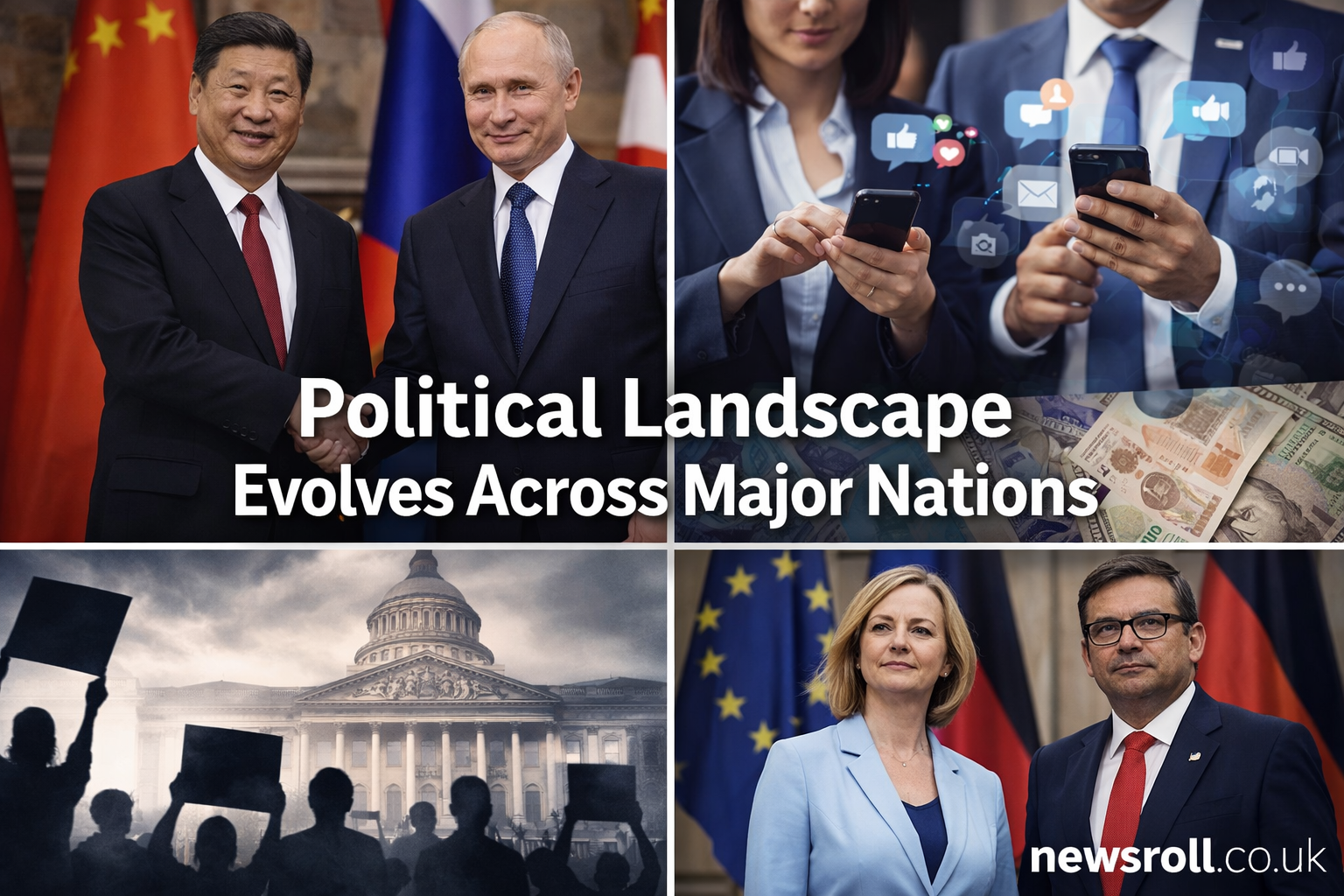
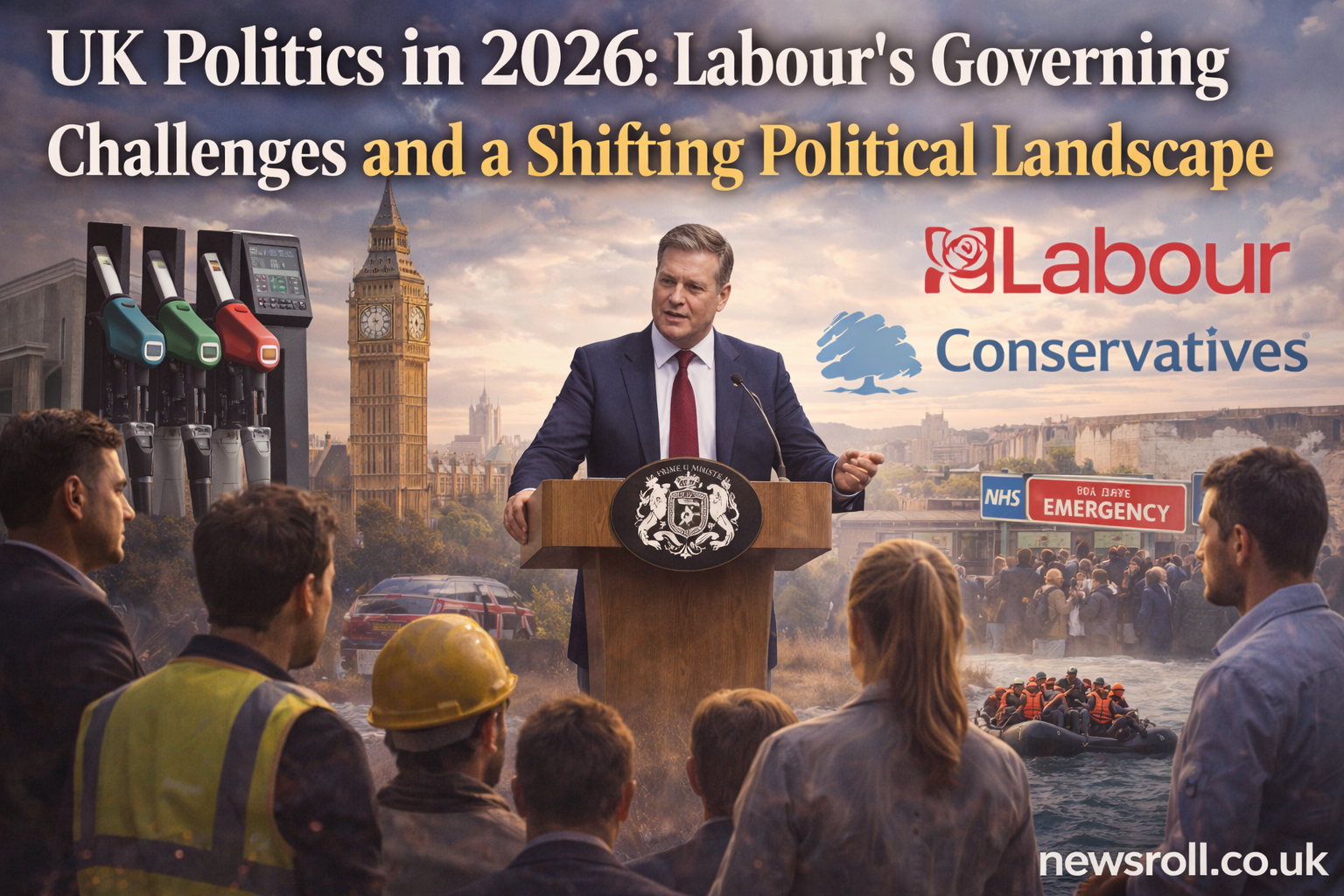
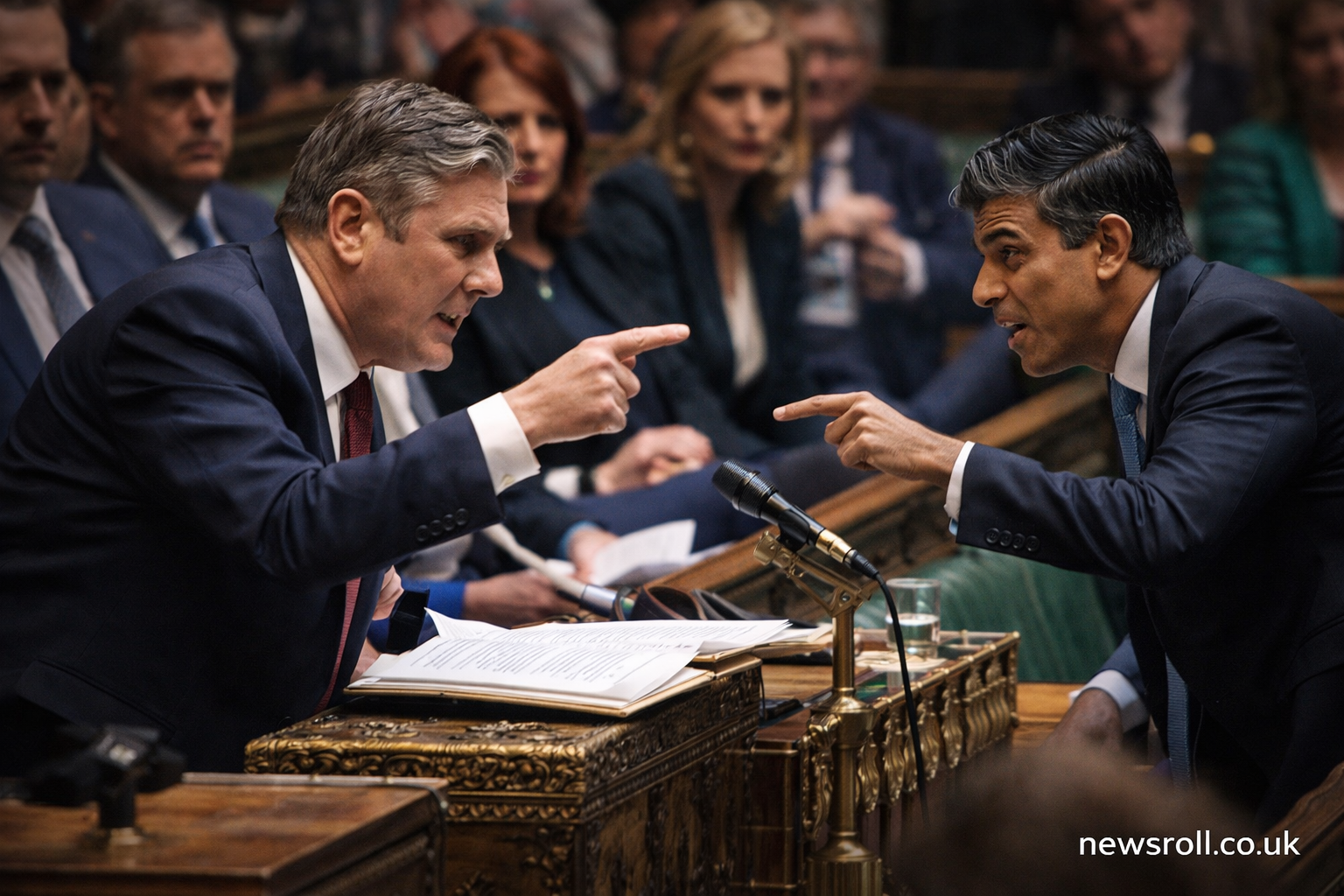
The political landscape in 2026 is undergoing significant changes as governments around the world respond to economic pressures, social demands, and global challenges. Political decisions are increasingly influenced by public opinion, technological advancements, and international relations.
One of the key trends is the growing importance of digital communication in politics. Social media platforms are now essential tools for political campaigns, allowing leaders to connect directly with citizens. However, this also raises concerns about misinformation and the influence of online narratives.
Economic policy remains at the center of political debates. Governments are focusing on issues such as inflation, taxation, and public spending in an effort to stabilize their economies. These decisions often have a direct impact on everyday life, making them highly sensitive topics.
Another important aspect is the demand for transparency and accountability. Citizens are becoming more engaged and expect greater openness from their leaders. This has led to increased scrutiny of political actions and decisions.
As the political environment continues to evolve, adaptability and effective leadership will be crucial. Governments must balance national interests with global responsibilities while addressing the needs of their populations.