 11
11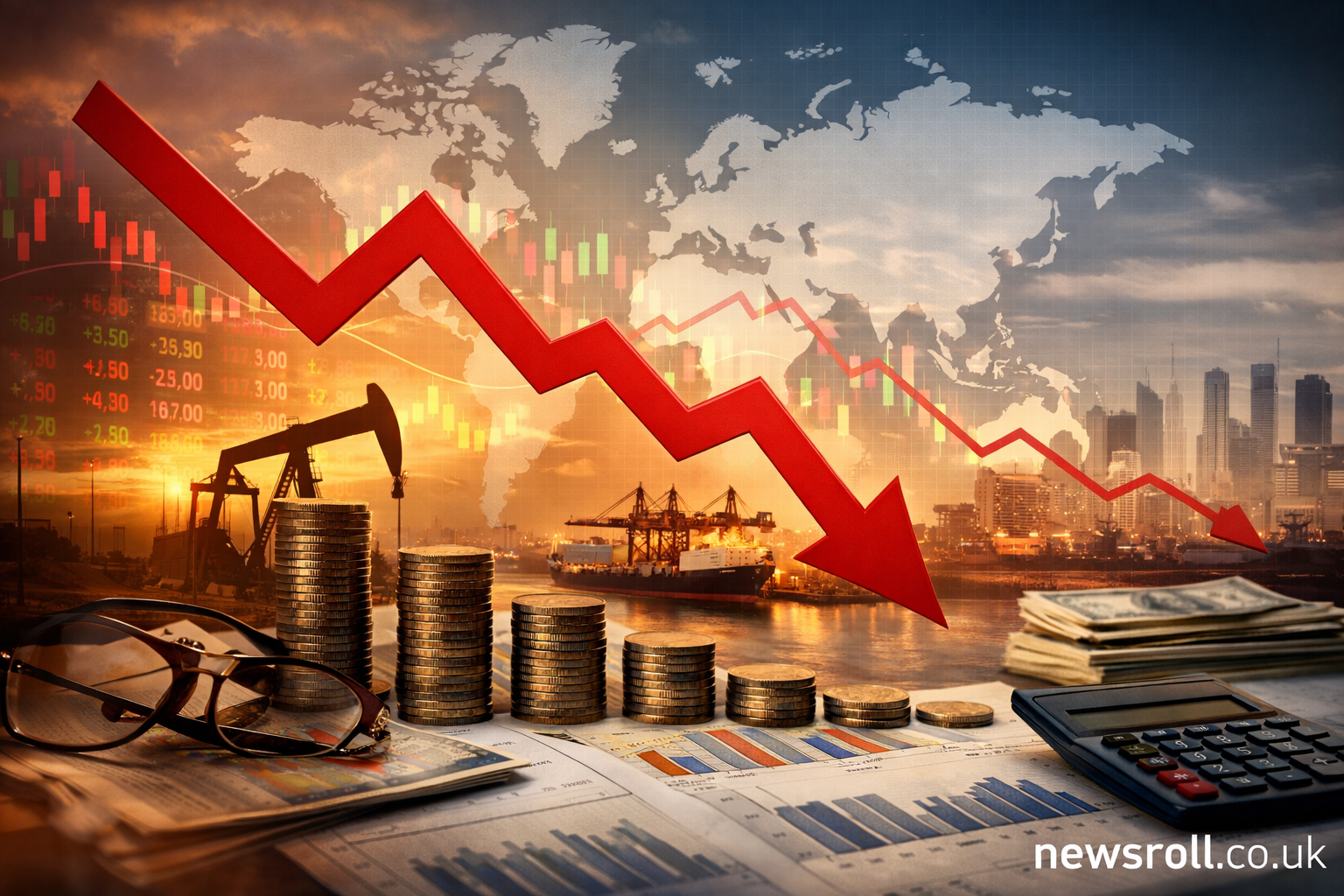
The global economy is entering a period of uncertainty in 2026, as multiple indicators point toward a gradual slowdown across key regions. Analysts highlight a combination of persistent inflation, rising borrowing costs, and geopolitical tensions as the main factors behind the shift.
Central banks in major economies, including the US and the Eurozone, continue to maintain relatively high interest rates in an effort to bring inflation under control. While this strategy has helped stabilize prices in some sectors, it has also reduced consumer spending and slowed down business investments.
In Europe, several countries are reporting weaker economic growth than expected. Manufacturing output has declined, and confidence among investors has started to drop. Meanwhile, global supply chains are still facing disruptions, especially in energy and raw materials.
Despite these challenges, there are also signs of resilience. The technology sector is showing early signs of recovery, and investments in renewable energy are growing steadily. Experts believe that while short-term risks remain, long-term economic stability is still achievable if governments implement effective policies.
The coming months will be critical in determining whether the global economy stabilizes or continues to slow further.