
 11
11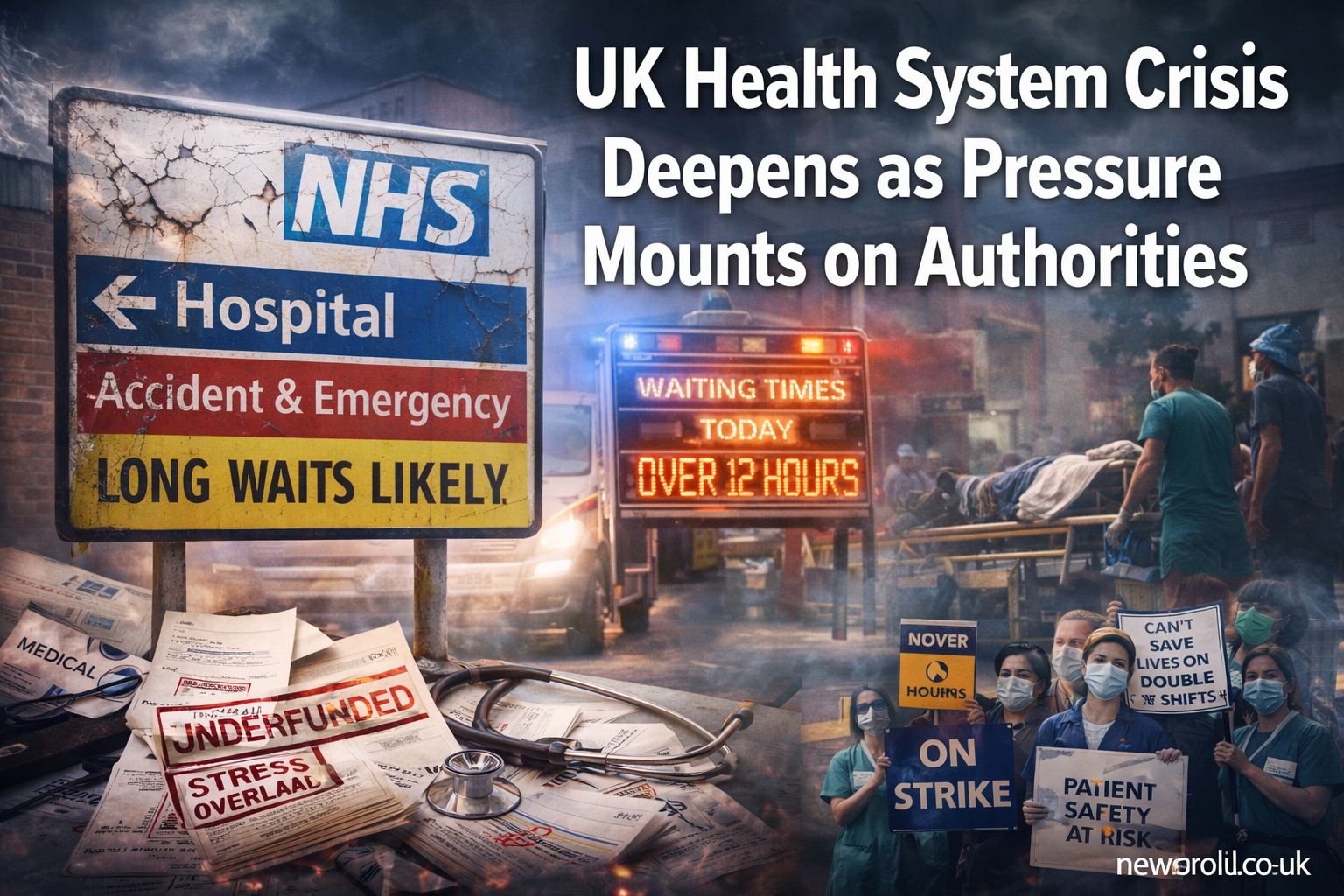
The United Kingdom’s healthcare system is facing an escalating crisis in late March 2026, with mounting evidence of systemic strain, chronic underfunding, and policy failures that critics argue have been inadequately addressed by authorities. Recent data and reports from the past 24–48 hours highlight worsening patient outcomes, growing waiting lists, and increasing dissatisfaction among both healthcare professionals and the public.
One of the most pressing issues remains the unprecedented backlog in treatment. NHS waiting lists in England continue to hover above 7.5 million cases, with new figures released this week indicating little meaningful improvement despite repeated government pledges. Emergency care is under acute pressure, with patients frequently waiting over 12 hours in A&E departments, far exceeding official targets. These delays are not isolated incidents but rather a systemic issue that has persisted for months, raising serious concerns about the government’s ability to manage the crisis effectively.
Healthcare staffing shortages are another critical factor driving the system toward breaking point. Reports published on 26 and 27 March show that tens of thousands of vacancies remain unfilled across the NHS, particularly among nurses and general practitioners. Medical unions have warned that workforce burnout is worsening, with many professionals leaving the system due to unsustainable workloads and stagnant pay. Despite these warnings, critics argue that government responses have been slow, fragmented, and insufficient to reverse the trend.
Funding remains a deeply contentious issue. While authorities have pointed to increased nominal spending, analysts emphasize that real-term funding growth has failed to keep pace with inflation, population growth, and rising demand. Hospitals are operating under severe financial constraints, with some trusts reporting deficits that directly impact service delivery. Critics argue that short-term funding injections have been used as a substitute for long-term structural reform, leaving the system vulnerable to recurring crises.
Primary care services are also under severe strain. Patients are experiencing significant difficulties in securing GP appointments, with many forced to wait weeks or resort to overcrowded emergency departments. This breakdown in access to frontline care is contributing to a broader cycle of inefficiency, where preventable conditions escalate into emergencies, further burdening hospitals.
Social care failures are compounding the crisis within hospitals. A lack of adequate community and residential care provision has led to “bed blocking,” where medically fit patients remain in hospital due to the absence of appropriate care arrangements. This issue has been repeatedly highlighted in recent reports, yet remains largely unresolved, reflecting what critics describe as a long-standing neglect of the social care sector by successive governments.
Public confidence in the system appears to be eroding. Surveys released this week indicate declining satisfaction with NHS services, with a growing proportion of respondents expressing concern about access, quality of care, and waiting times. Healthcare leaders have warned that without urgent and comprehensive reform, the system risks entering a prolonged period of decline.
Overall, the current state of the UK healthcare system reflects a convergence of structural weaknesses and policy shortcomings. Rising demand, insufficient staffing, and funding constraints have created a situation that many experts describe as unsustainable. Despite repeated assurances from authorities, recent developments suggest that meaningful solutions remain elusive, and the crisis continues to deepen.
Sources (with links):